How Often Should You Update Your Website?
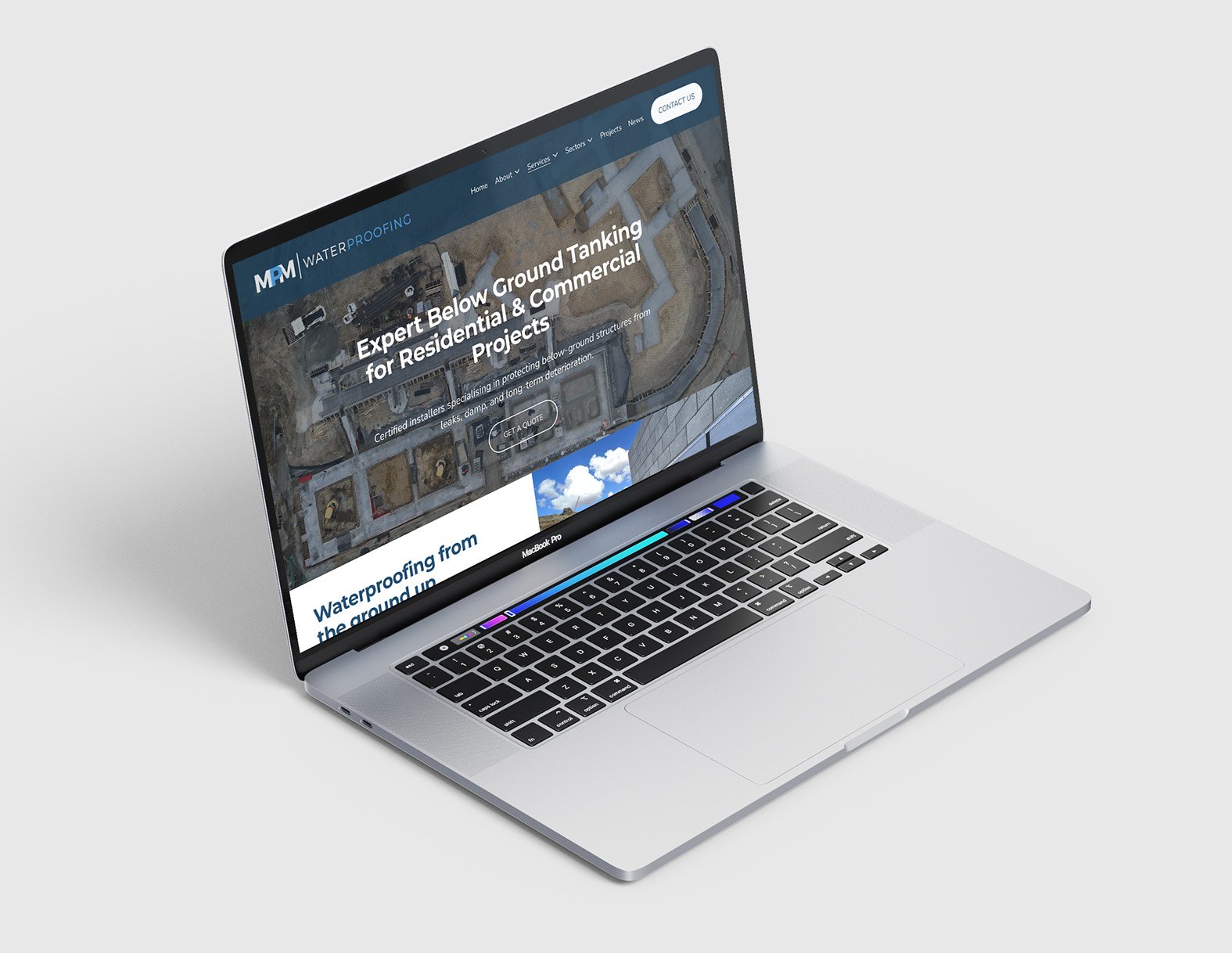
Many businesses launch a new website and then leave it untouched for years.
The problem is that websites are no longer digital brochures. They are often the first place potential clients go to learn about your business, assess your experience, and decide whether to get in touch.
An outdated website can create the wrong impression, regardless of the quality of your work. It can also impact search visibility, user experience, and the accuracy of the information you’re presenting.
So how often should you update your website? The answer depends on what you’re updating, but most businesses should be making changes far more regularly than they think.
-
Your website is one of your most valuable business assets.
It helps potential clients:
Understand what you do
Review your experience and capabilities
Explore project examples
Learn about your team
Make contact
A website that is regularly updated sends a positive signal that your business is active, engaged, and current.
It also helps ensure that the information you’re presenting remains accurate and relevant.
-
The most important rule is simple:
If something changes within your business, your website should reflect it.
This may include:
New services
New team members
New office locations
New certifications or accreditations
New sectors or markets
Updated contact details
Too often, businesses evolve while their websites remain frozen in time.
-
For construction, engineering, infrastructure, and property businesses, project experience is often one of the strongest sales tools available.
Project pages help demonstrate:
Capability
Experience
Technical expertise
Industry knowledge
Sector-specific experience
As a general guide, aim to add new projects throughout the year rather than waiting several years to update them all at once.
A website showcasing projects completed five years ago doesn’t tell the full story of your business today.
-
At least twice a year, review your core website pages.
This includes:
Services
Are your service descriptions still accurate?About Page
Does it reflect the current business, team, and direction?Contact Page
Are all contact details correct?Capability and Experience Information
Does it still align with the work you’re pursuing?Regular reviews help identify outdated content before it becomes a problem.
-
Even if the content remains accurate, website design trends, technology, and user expectations continue to evolve.
Signs your website may need a design refresh include:
Poor mobile experience
Slow loading speeds
Difficult navigation
Outdated appearance
Limited functionality
A design refresh doesn’t always require a complete rebuild. Sometimes targeted improvements can significantly improve performance and user experience.
-
One of the best ways to keep a website current is through regular content updates.
Examples include:
Project case studies
Industry insights
Company news
Team updates
FAQs
Service-related articles
Regular content helps demonstrate expertise while also creating additional opportunities to appear in search results.
-
Search engines prefer websites that are maintained and regularly updated.
While simply changing a few words won’t improve rankings, publishing useful and relevant content can help:
Improve keyword coverage
Increase visibility in search results
Strengthen topical authority
Support long-term SEO efforts
The goal should always be to provide valuable information rather than updating content for the sake of it.
-
As more people use AI-powered search tools such as ChatGPT, Gemini, and Google AI Overviews, website quality and content become increasingly important.
Businesses with:
Detailed service pages
Helpful content
Strong project case studies
Clear expertise
Well-structured information
are generally better positioned to be understood and referenced by AI systems.
Keeping your website current helps ensure your expertise is accurately represented online.
Signs Your Website Needs Attention
You may want to review your website if:
You haven’t updated it in over a year
Your project portfolio is outdated
Team information is no longer accurate
Your services have changed
The website looks dated compared to competitors
It doesn’t work well on mobile devices
You’re not appearing in relevant search results
These are often indicators that your website is no longer supporting your business as effectively as it could.
Final Thoughts
A website should evolve alongside your business.
While a complete redesign may only be needed every few years, content updates, project additions, and periodic reviews should happen much more frequently.
The businesses that get the most value from their websites are usually the ones that treat them as an active business tool rather than a project that was completed years ago.
If your website no longer reflects the quality, experience, or capabilities of your business, it may be time for a refresh.
Frequently Asked Questions
-
Most businesses should consider a design review or refresh every three to five years, depending on performance, technology, and business changes.
-
Content should be updated whenever there are changes to services, projects, team members, certifications, or business information.
-
Useful content updates can support SEO by improving relevance, keyword coverage, and topical authority.
-
Not necessarily. Focus on projects that best demonstrate your expertise, capabilities, and target sectors.
-
Adding new projects throughout the year helps keep your website current and better reflects the work your business is delivering today.